Energy metabolism
NAD+/NADH cycling is central to reactions that help cells transfer energy from nutrients. This does not mean NMN acts as an immediate stimulant.

A plain-language guide to what nicotinamide mononucleotide is, how it relates to NAD+, what human trials have measured, where evidence remains uncertain and how Canadian shoppers can evaluate product labels, licences and laboratory documentation.
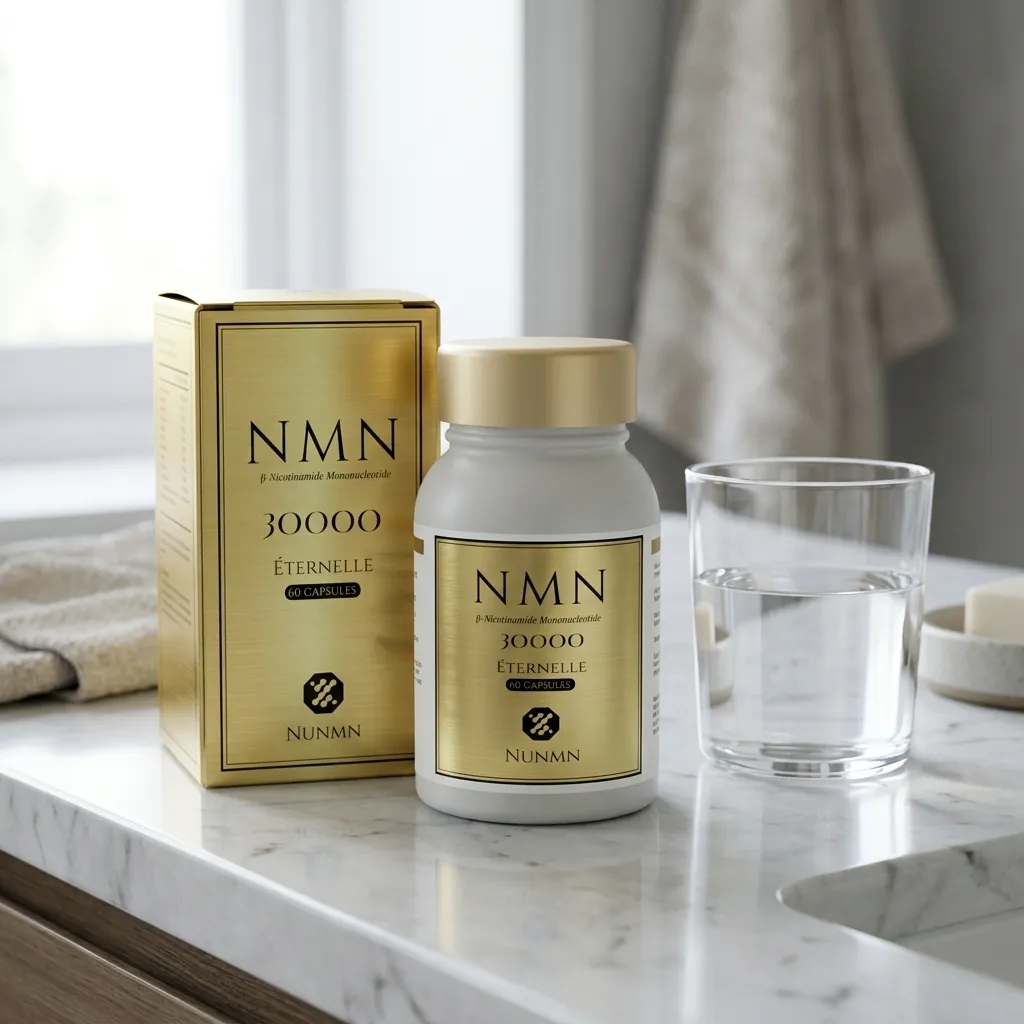
NUNMN’s educational material describes NMN as a precursor to NAD+. In biochemical terms, NMN can be converted into NAD+ through enzymatic steps. NAD+ then participates in redox reactions and also serves as a substrate for enzymes including sirtuins and PARPs.
NAD+/NADH cycling is central to reactions that help cells transfer energy from nutrients. This does not mean NMN acts as an immediate stimulant.
PARP enzymes consume NAD+ during DNA-damage responses. A pathway role is not proof that a supplement repairs DNA or prevents disease.
Sirtuins and other NAD+-dependent enzymes are studied in metabolism and ageing biology. Much mechanistic evidence remains preclinical.
NAD+ availability is influenced by synthesis, recycling, diet, tissue, disease state and the activity of enzymes that consume it.
NUNMN’s science pages discuss mechanisms and animal findings alongside human research. These categories answer different questions and should not be presented as if they provide the same level of evidence.
These studies test a specific dose, population and period. Current NMN trials are generally small and short, so they are useful but not definitive.
Animal models help researchers test mechanisms and long-term hypotheses. Their outcomes cannot be assumed to occur in humans.
Controlled experiments can show pathway activity or molecular effects. They do not establish real-world benefit, dose or safety in people.
The table summarizes representative primary studies. It is not a claim that a NUNMN product will reproduce a research result: trial materials, populations, dosing, duration and endpoints may differ from retail products and individual use.
| Study | Design | Dose and duration | Main reported finding | Important limitation |
|---|---|---|---|---|
| Irie et al., 2020 Human |
Single-arm dose-escalation study in 10 healthy men | Single doses of 100, 250 and 500 mg | No significant acute clinical symptoms or major measured safety changes were reported during the short observation period. | Very small, male-only and designed for short-term safety rather than effectiveness. |
| Yoshino et al., 2021 Human RCT |
Randomized, double-blind, placebo-controlled trial in postmenopausal women with prediabetes | 250 mg daily for 10 weeks | Muscle insulin sensitivity and selected muscle signalling measures improved compared with placebo. | Narrow population; findings do not establish the same effect in healthy adults or long-term disease outcomes. |
| Liao et al., 2021 Human RCT |
Randomized, double-blind, four-arm trial in 48 recreational runners | 300, 600 or 1,200 mg daily with training for 6 weeks | Some ventilatory-threshold and oxygen-utilization measures improved in the medium- and high-dose groups. | Short study in trained runners; several performance measures, including peak VO₂max, did not differ. |
| Okabe et al., 2022 Human RCT |
Randomized, double-blind, placebo-controlled trial in 30 healthy adults | 250 mg daily for 12 weeks | Whole-blood NAD+ increased; the intervention was generally tolerated during the study period. | Small sample, short follow-up and no broad improvement in weight, blood pressure or pulse. |
| Katayoshi et al., 2023 Human RCT |
Randomized, double-blind, placebo-controlled trial in 36 healthy middle-aged adults | 250 mg daily for 12 weeks | Some NAD-related metabolites changed; arterial-stiffness values only tended to improve and were not significantly different between groups. | Small study with exploratory outcomes; a trend is not proof of clinical benefit. |
They do not show that NMN reverses human ageing, extends lifespan, prevents cancer, treats diabetes, repairs DNA throughout the body or replaces established medical care. A biomarker change is not automatically a meaningful health outcome.
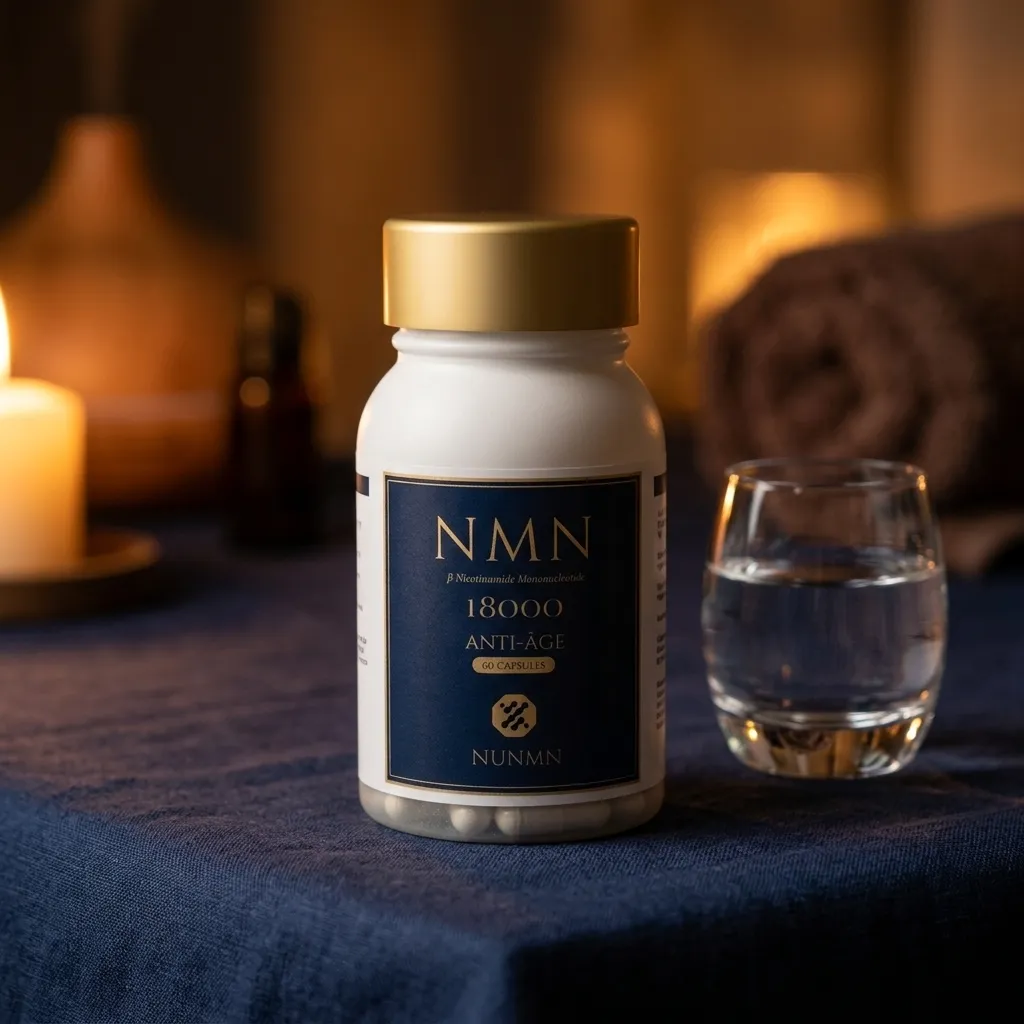
NUNMN states that its NMN is produced using a biological enzyme method, is tested to a stated purity of 99.5%, and is manufactured in facilities following GMP standards. Its FAQ also describes the capsules as free from nuts, gluten, animal by-products, artificial colours and artificial flavours.
These are brand and manufacturing statements, not clinical evidence. They should be checked against the exact bottle label, product-specific licence and a readable lot-specific Certificate of Analysis before being repeated for an individual SKU.
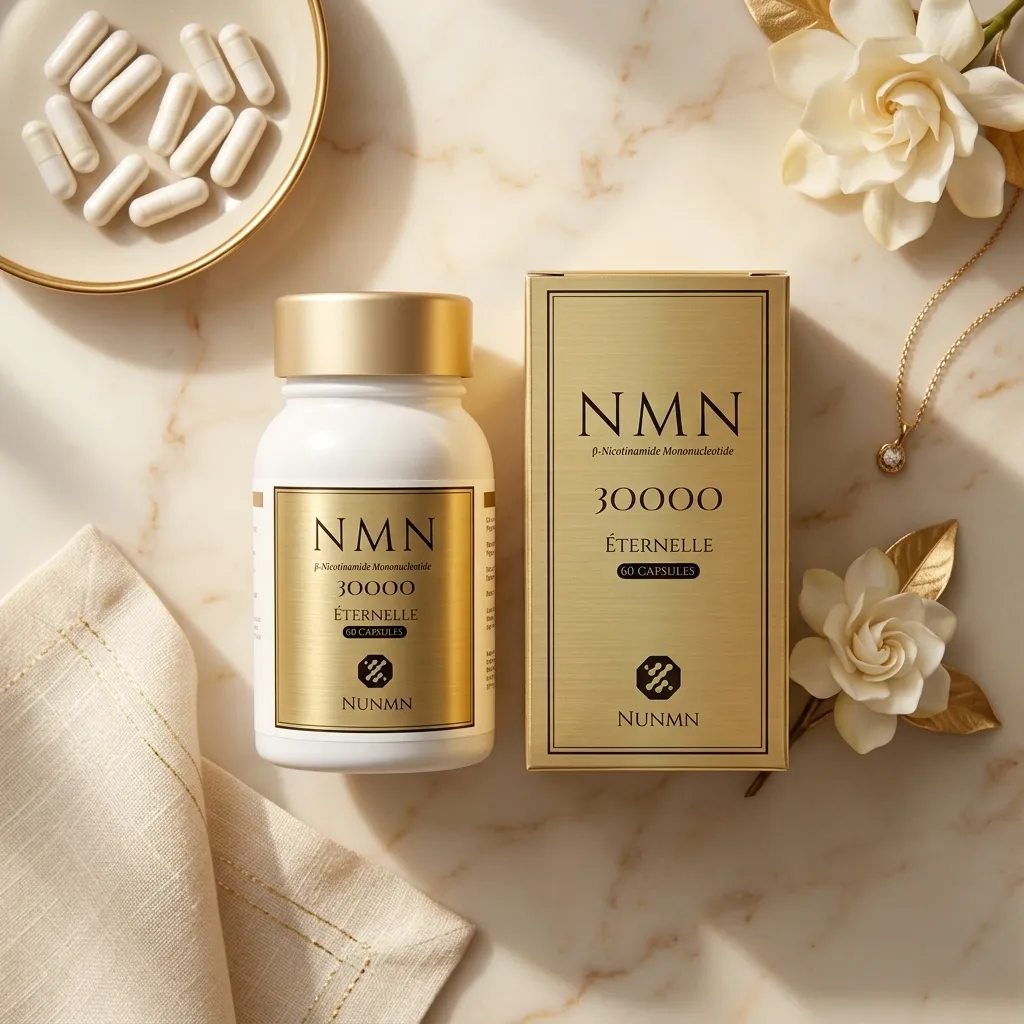
Product names do not indicate stronger science. Compare the amount per capsule, capsule count and complete ingredient profile. Availability and package options should be confirmed on each product page.


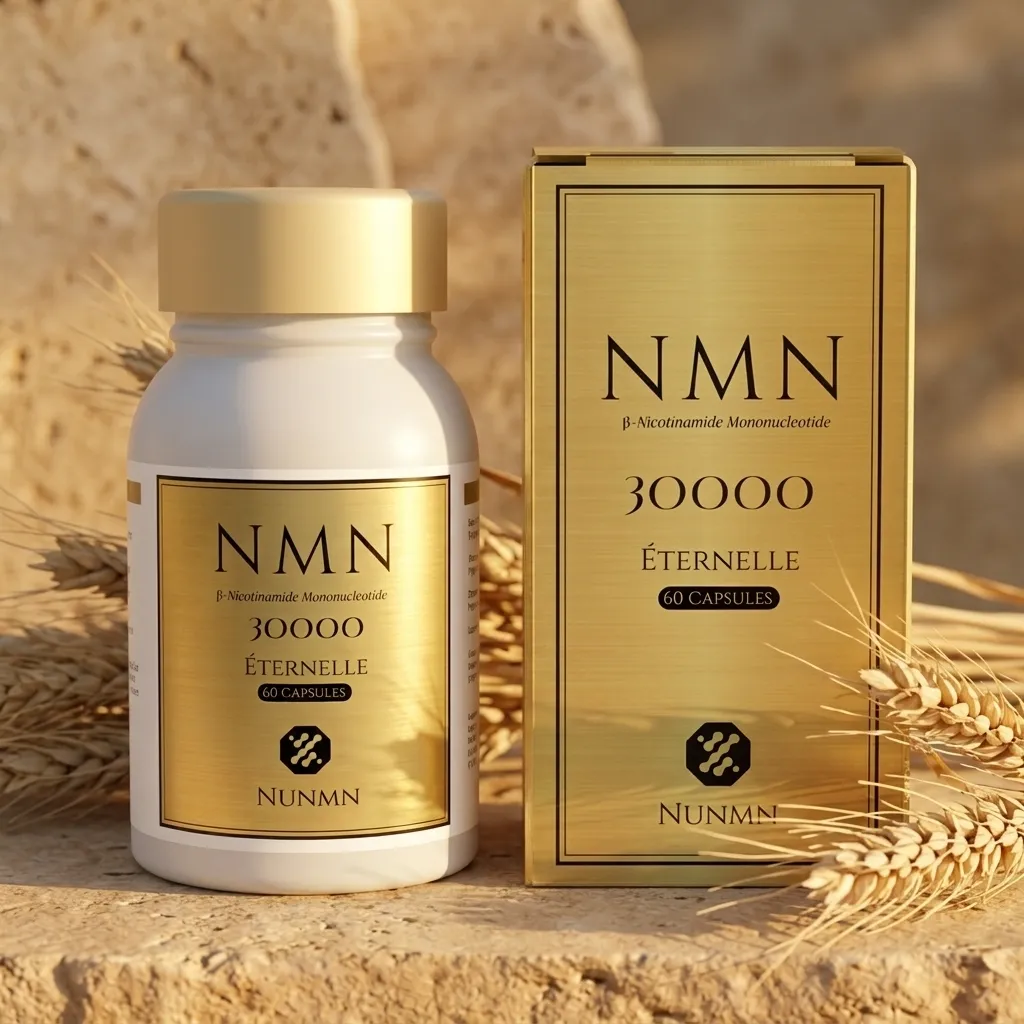
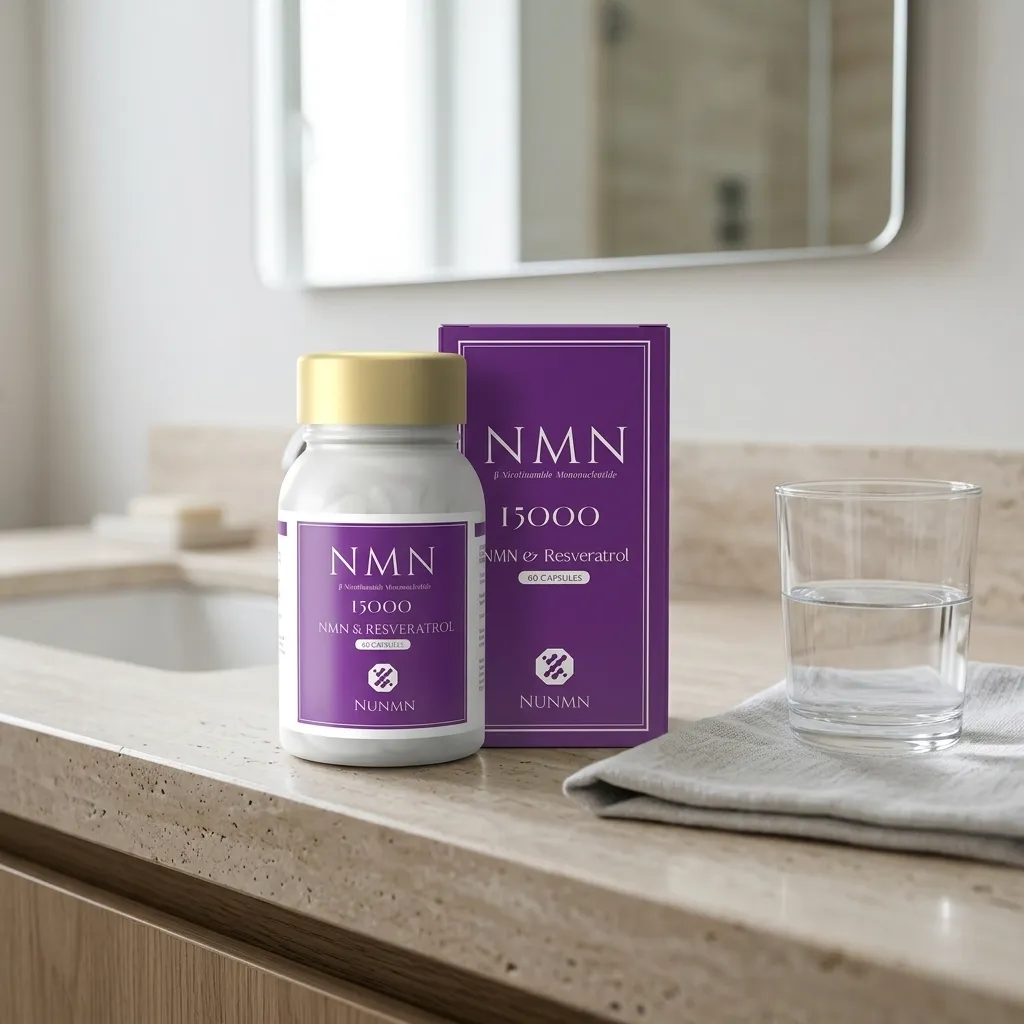
250 mg NMN + 50 mg CoQ10 + 50 mg resveratrol per capsule · 60 capsules.
View product details →Health Canada’s current record for NPN 80114685 identifies a 300 mg NMN capsule, lists the brand names “NMN,” “NMN 1800” and “NMN 9000,” and names Viker Company Group Ltd. as the licence holder. The authorized purpose is “Source of Vitamin B3, a factor in the maintenance of good health.”
NUNMN’s FAQ refers generally to NPN 80114685. For accuracy, shoppers should match the exact brand name, medicinal ingredient, strength, dosage form, directions and warnings on the bottle to the official record. The same NPN should not automatically be displayed for a 500 mg capsule, combination formula, NAC product, shilajit product or testing service.
Small human studies have tested doses from 100 mg to more than 1,000 mg under research conditions. Many report no serious treatment-related safety signal during short study periods, but that does not establish an ideal dose or long-term safety for every person.
Cell and animal findings are useful for hypotheses, but should not be presented as confirmed outcomes in people.
Randomization, blinding and a placebo group reduce bias, although they do not remove every limitation.
A statistically significant biomarker change may not translate into better health, function or quality of life.
Compare ingredient identity, dose, formulation, schedule and duration rather than assuming all NMN products are interchangeable.
Match the exact label to Health Canada’s database. One NPN cannot be used as a catalogue-wide badge.
A useful COA identifies the product, lot, laboratory, test date, method and measured results.
Study links lead to the publication record or full text. The references are provided for transparency and do not imply that every result applies to every product or person.
No. NMN is an intermediate that the body can use in pathways that produce NAD+. NAD+ is the coenzyme used in many cellular reactions.
Several small trials report increases in blood NAD+ or related metabolites after oral NMN. Results depend on the study population, dose, sample type and laboratory method.
No. Human trials have not established that NMN reverses biological ageing, extends lifespan or prevents age-related disease.
Animal studies help researchers understand mechanisms and decide what to test next, but they cannot be treated as proof of the same result in humans.
No. A higher amount per capsule is a format difference, not proof of greater benefit. Follow the exact label and seek professional advice when appropriate.
No. Health Canada’s record is for a specific 300 mg NMN capsule. The exact product label must match the licence record; it should not be extended automatically to other strengths, combination formulas or non-NMN products.
It is a brand quality statement that should be supported by an appropriate assay and lot-specific laboratory report. Purity alone does not establish clinical effectiveness, stability or contaminant testing.
No. Supplements do not replace adequate sleep, physical activity, nutrition, risk-factor management, prescribed treatment or advice from a qualified healthcare professional.
Compare the exact amount per capsule, complete ingredient list, product-specific licence, labelled directions and lot documentation. Product pages contain the current package and checkout information; this science page remains educational.
Scientific and medical disclaimer: This page is for general education and does not diagnose, treat, cure or prevent disease. Human NMN research remains limited and is not proof that a retail supplement will produce a specific outcome. Read the complete product label and consult a qualified healthcare professional before use, especially if you are pregnant, breastfeeding, taking medication, living with diabetes or another medical condition, preparing for surgery or receiving cancer treatment.